




Coastal Homes
Coastal Home Maintenance: A Seasonal Checklist for Salt, Wind and Damp
September 18, 2026
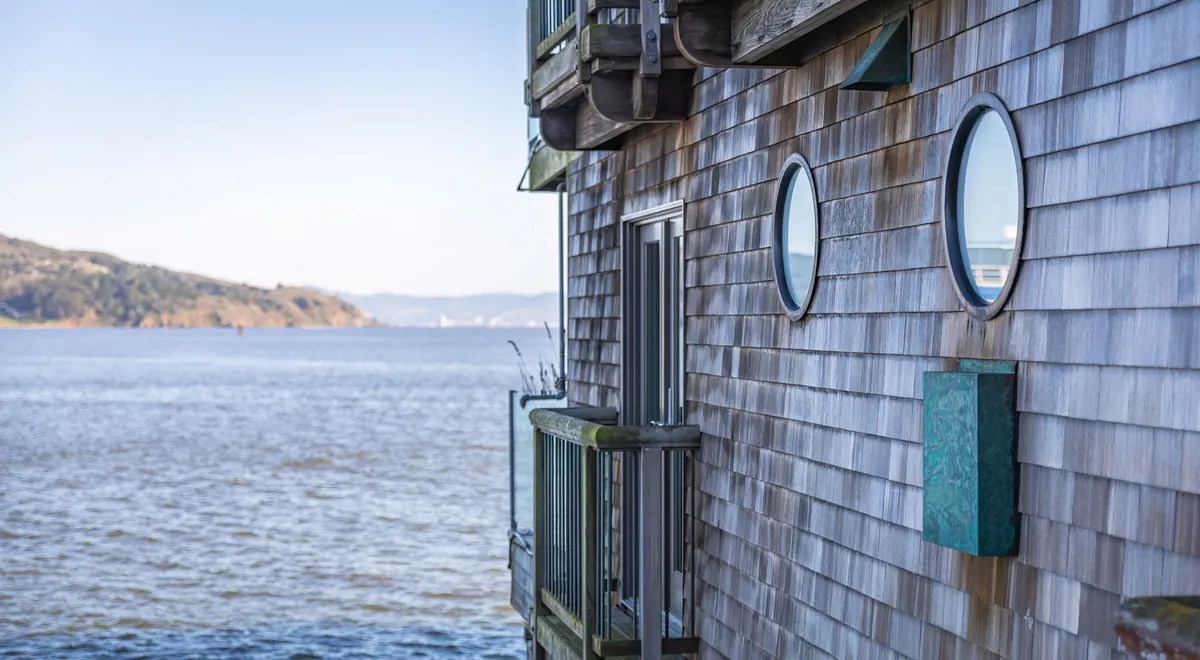
Coastal homes live in a tougher environment than most. Salt settles on everything, wind pushes rain into places rain has no business being, and sea air quietly works on metal, mortar and paint while you're looking the other way. None of it is dramatic. That's the problem. Salt corrosion and damp rarely announce themselves; they make gradual inroads until a small repair turns into a scaffolding job.
The trick is to work with the seasons. Do the right job at the right time of year and you'll spend less, catch more problems early, and give your house a far easier life.
Spring: Wash the Salt Off
By the end of winter, your exterior has a film of salt on it. That film holds moisture against surfaces and speeds up decay in render, mortar and paint. A thorough fresh-water rinse is one of the cheapest bits of maintenance you can do. Work from the bottom up, one manageable section at a time, so you don't leave dirty streaks running down clean walls.
A few things to keep in mind:
- Use a garden hose and a soft brush rather than a pressure washer on render, older brickwork and soft pointing — high pressure can open up the very joints you're trying to protect.
- Rinse window frames, sills, doors, railings and anything aluminium or galvanised.
- Clear gutters and downpipes once the last of the spring seed fall is over, then check that water actually leaves the property rather than pooling at the foot of the wall.
While you're at it, look at the roof with binoculars: slipped slates or tiles, cracked mortar around ridge tiles and tired flashing at chimneys and vents are the usual routes for wind-driven rain.
Summer: Do the Jobs That Need Dry Weather
Warm, dry spells are when paint and sealant cure properly, so book the bigger external work now.
Check painted timber — sills, fascias, bargeboards, door frames — for blistering and flaking. Bare wood needs priming before it gets its topcoats, and on the coast a flexible exterior paint copes with movement far better than a hard, brittle one. Masonry paint should be breathable; the last thing a coastal wall needs is a sealed skin trapping moisture behind it.
Mastic around window and door frames is worth a careful look. Rake out anything cracked or shrunk and renew it, but don't seal every gap you find. Older properties need to breathe, and blocking the wrong opening can push damp somewhere less visible.
This is also the season for the jobs you'll be glad you did in November: re-bedding loose ridge tiles, repointing areas of eroded mortar, treating rusty steel railings, oiling gate hinges, and checking the fixings on anything exposed, from satellite brackets to fence posts.
Autumn: Prepare for the First Big Blow
Coastal storms arrive with wind behind the rain, which drives water sideways into places ordinary rain never reaches. Do this before the first named storm rather than after:
- Clear gutters, hoppers and gullies again — a blocked downpipe in a storm can dump water straight down a wall.
- Check seals and draught strips on doors and windows, especially on the weather side of the house.
- Secure or store garden furniture, bins, planters and anything light enough to fly. It's cheaper than replacing a window.
- Cut back trees and shrubs close to the building, and check the condition of any that could come down.
- Test external lights, alarms and any sump pump while the weather is still kind.
If you have storm boards, shutters or flood barriers, dig them out now and check the fixings still line up. Finding out on the night is no fun at all.
Winter: Watch for Damp, Not Just Leaks
Winter is when damp shows its hand. Penetrating damp arrives after storms — look for staining on ceilings and around chimney breasts, and check the loft after every gale. Condensation is the quieter problem: black mould on cold external walls, streaming windows and a musty smell in bedrooms all suggest the house isn't ventilating well enough.
Keep extractor fans in bathrooms and kitchens clean so they actually shift moisture, leave trickle vents open, and don't block air bricks. Dry laundry outdoors where you can. Background warmth on the coldest days generally beats heating a cold house hard for two hours and then letting it drop again. If mould is extensive, or anyone in the house has asthma or another respiratory condition, speak to a GP rather than treating it as purely a decorating problem.
Choose Fixings That Expect Salt
Every replacement is a chance to choose better. Stainless steel or hot-dip galvanised fixings last dramatically longer than mild steel on the coast, and they're worth specifying for gates, railings and anything holding cladding. Touching up chipped paint on metal straight away, rather than at the end of the season, is the single most effective thing you can do to slow corrosion.
Your Year at a Glance
None of this needs to be a project. Rinse the exterior in spring, paint and repair in summer, clear and secure in autumn, and watch for damp through winter. Keep a simple note of what you checked and when, and patterns will appear — the same gutter overflowing, the same window leaking in an easterly.
If you find structural cracking, or damp that persists after you've dealt with gutters, pointing and ventilation, bring in a chartered surveyor or an independent damp specialist. Be cautious with anyone who diagnoses rising damp before examining the roof, the drainage and the mortar. On the coast, water almost always comes from above.
Photo: Robert So / Pexels
Related posts
More stories you’ll love reading