


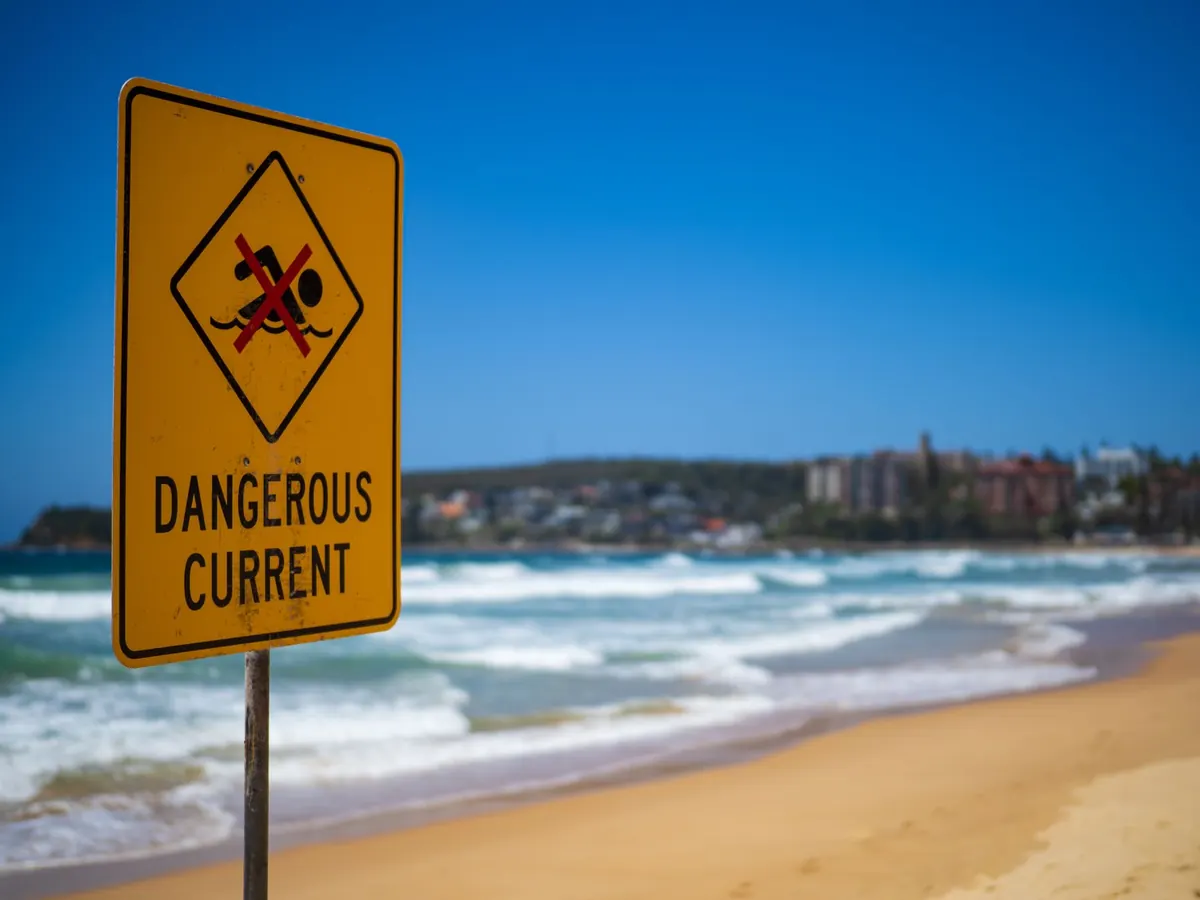

Sea swimming in Britain is rarely picturesque. It is usually grey, often cold, and the water bites at your shins before you have decided whether you really want to do this. Then something shifts: your breathing settles, the cold turns into a kind of clarity, and you walk out grinning. That first plunge is worth chasing — but a little knowledge makes it far safer and far more enjoyable.
What follows covers the essentials for anyone new to open water: how to read the sea, how to handle the cold, what to carry, and where you can reasonably swim.
Read the water before you get in
The sea you see from the promenade is not the sea you will be swimming in ten minutes later. Tides shift the waterline by hundreds of metres on some beaches, and the current running past the pier can be stronger than it looks from dry land.
Tides
Check the tide times for your specific beach before you leave the house, not once you have parked. A falling tide on a gently sloping sandy beach is the most forgiving choice for an early swim, because if anything goes wrong the water is heading away from you rather than over your exit route. Avoid the middle hours of a rising tide in a bay whose sandbars and headlands you do not know. Tidal range varies enormously around the coast — a metre or so in some places, more than ten in the Severn Estuary — so use the tide table for your beach, or the local harbour authority's information, rather than a rule of thumb.
Rip currents
A rip is a narrow channel of water running back out to sea, often between two sandbars. It can look like a suspiciously calm gap in the breaking waves, or darker, choppier water with bits of foam moving steadily offshore. Do not try to swim against it. Swim parallel to the shore until you are clear of the channel, then angle back in. If you cannot make headway, float on your back, keep your airway clear and raise one arm to signal for help.
Wind and swell
An offshore wind feels lovely on the beach and pushes you away from it. An onshore wind turns a calm sea into chop and makes getting out through the surf harder than getting in. Check the forecast for wind direction, not just temperature, and pick a sheltered, gently shelving beach while you are learning.
Cold water is the real challenge
Cold catches out new swimmers far more often than distance or fitness. Enter water at around 10°C and your body reacts immediately: an involuntary gasp, rapid breathing, a jump in heart rate. That response is normal, but it is also the moment when things go wrong, particularly if you dive in head first or swim alone.
Walk in, breathe out slowly, and let the gasp pass before you push off. Keep your first swims short — a few minutes is plenty — and swim parallel to the shore rather than out to sea, staying within your depth if you can. A steady breaststroke that lets you see where you are beats a heroic crawl into open water.
Getting out is not the end of it. Your body keeps cooling for a while afterwards, so dress quickly, get a hat on, and warm up gradually with layers and a warm drink rather than a scalding shower. Uncontrollable shivering, fumbling hands, slurred speech or confusion mean it is time to stop and get help.
If you have a heart condition, asthma, epilepsy, are pregnant, or take regular medication, speak to your GP before you start — cold water can affect all of these. This is general guidance, not medical advice.
Kit that earns its place in the bag
You do not need much to start, and you certainly do not need to spend a fortune. The essentials:
- A bright silicone swim cap. Warmer than nothing and far easier for others to spot from the shore.
- Goggles that fit. Leaky goggles ruin a swim faster than cold water does.
- A tow float. Visible, buoyant and useful as a rest point. Most double as a small dry bag for keys and a phone.
- A wetsuit, if you feel the cold. A proper open-water or swimming wetsuit is far better than a surfing one. Many beginners start in a swimsuit and add neoprene later.
- Neoprene socks or swim shoes. Essential on shingle, rock and anywhere with weever fish.
- Warm, dry layers for afterwards. A changing robe or towel poncho, a woolly hat, gloves and thick socks.
- A flask and something to eat. Blood sugar and warmth both matter after a cold swim.
- A waterproof pouch for your car key. Keys are lost on beaches every weekend.
Access, rules and local quirks
In England and Wales there is no general right to swim anywhere along the coast, though in practice most beaches are open and sea swimming is well established. Much of the foreshore belongs to the Crown Estate, but access may cross private land, and local byelaws can restrict or prohibit swimming near harbours, piers, marinas, ferry lanes and military ranges. Scotland has broader statutory access rights, with responsibilities on both sides.
Before a new swim, check the signs at the beach entrance, the council's website and whether lifeguards are on duty — many beaches only have them between spring and autumn. Steer clear of harbour mouths and slipways where boats are moving. If you are unsure about a particular spot, ask at the local sailing club, harbour office or a nearby swim group; they will know the quirks. For anything involving access rights, take proper local or legal advice.
When to give it a miss
Some days the sensible decision is a walk instead. Skip the swim after heavy rain, when run-off and storm overflows can affect water quality, and check any water quality alerts for your area. Give it a miss in fog, during thunderstorms, in a strong offshore wind, or when the sea is bigger than you are comfortable with. A red flag means no swimming, full stop. Only swim where lifeguards are on duty when you are new to a beach, and never alone.
Your first swim: a simple plan
- Pick a lifeguarded, gently shelving beach on a calm day with a falling tide.
- Tell someone where you are going and when you expect to be back.
- Take five minutes to watch the water before you get changed.
- Walk in slowly, breathe out, and let the gasp pass.
- Swim along the shore for five to ten minutes, no further than you could comfortably get back from.
- Get out before you feel properly cold, dress your top half first, and put a hat on.
- Warm up slowly with a drink and a walk, and note the tide times for next time.
Start small, go with someone, and build up as the seasons turn. The swimmers you see steaming on the beach in January all began with one nervous paddle in July.
Photo: Domenico Adornato / Pexels
Related posts
More stories you’ll love reading